The Big Read
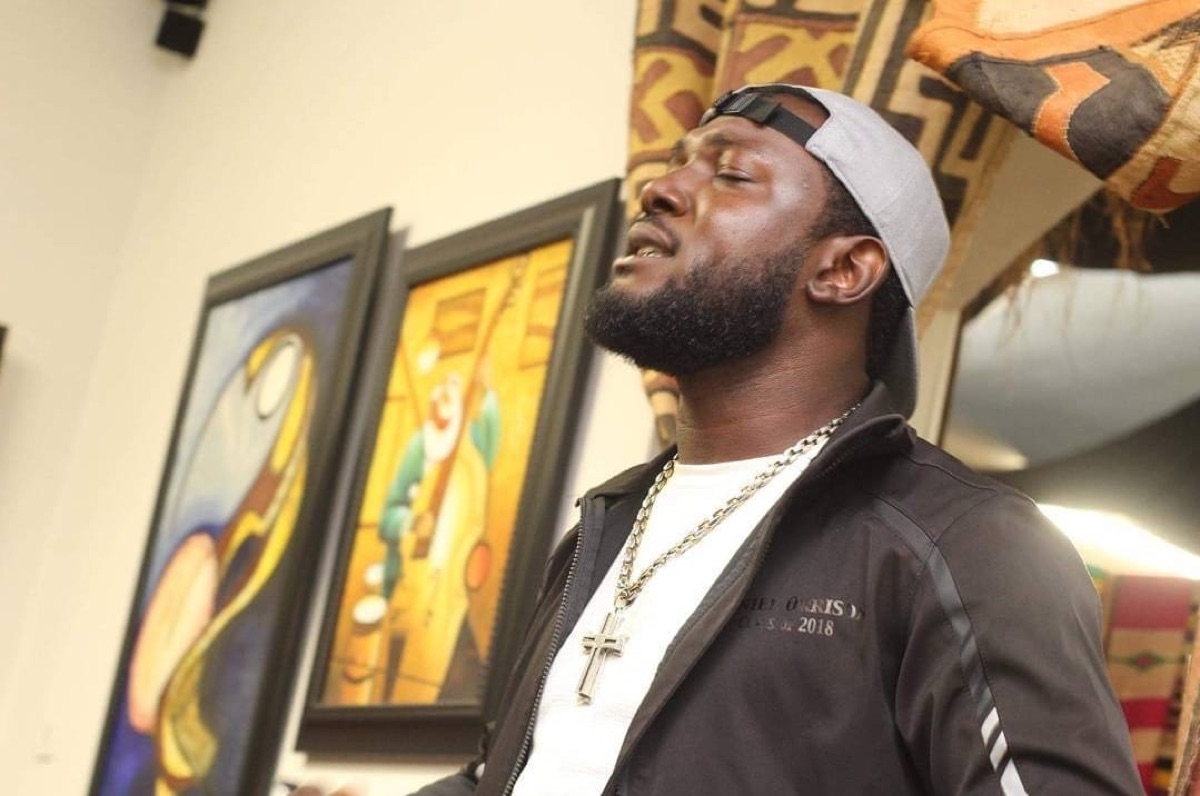
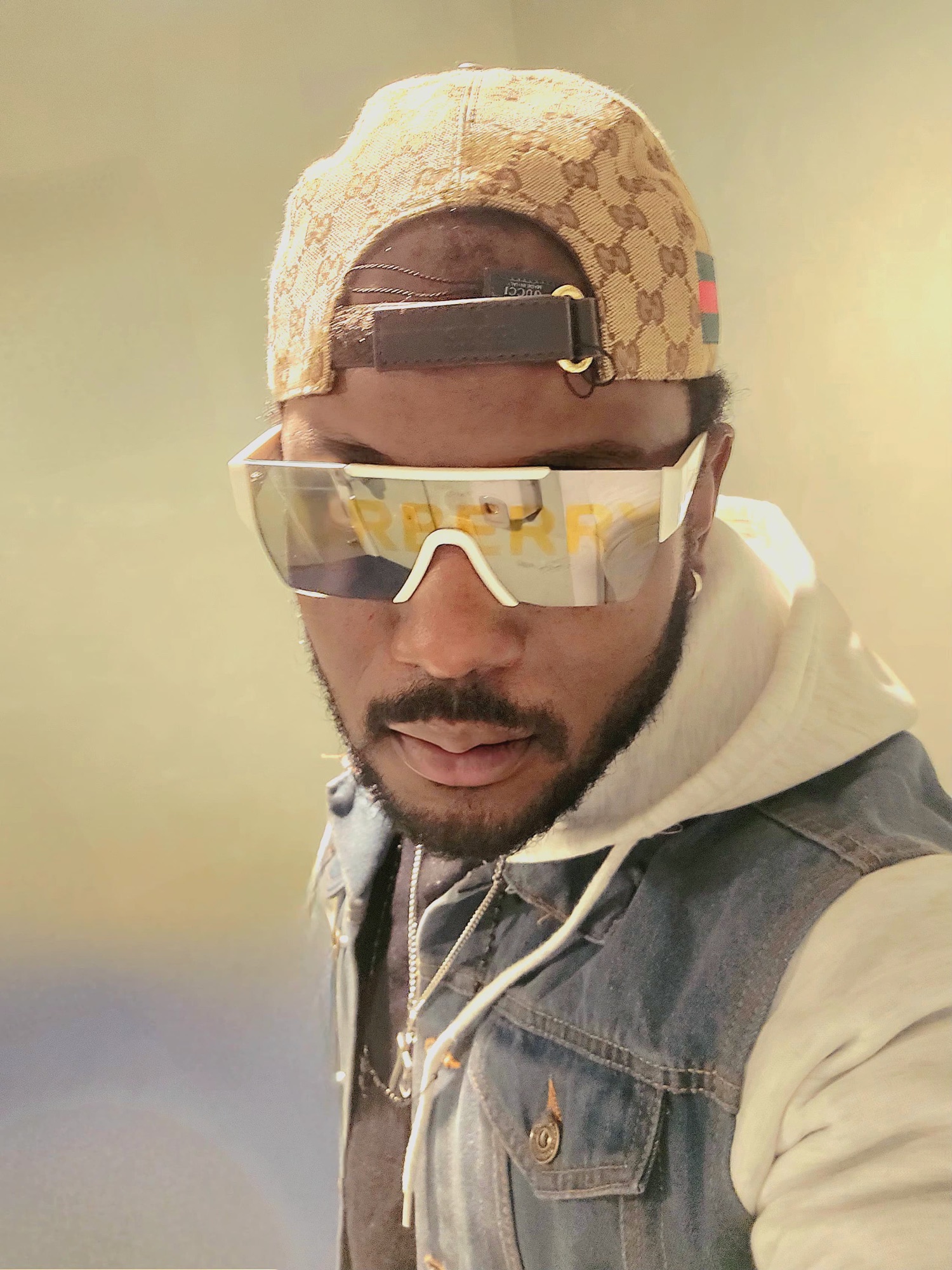
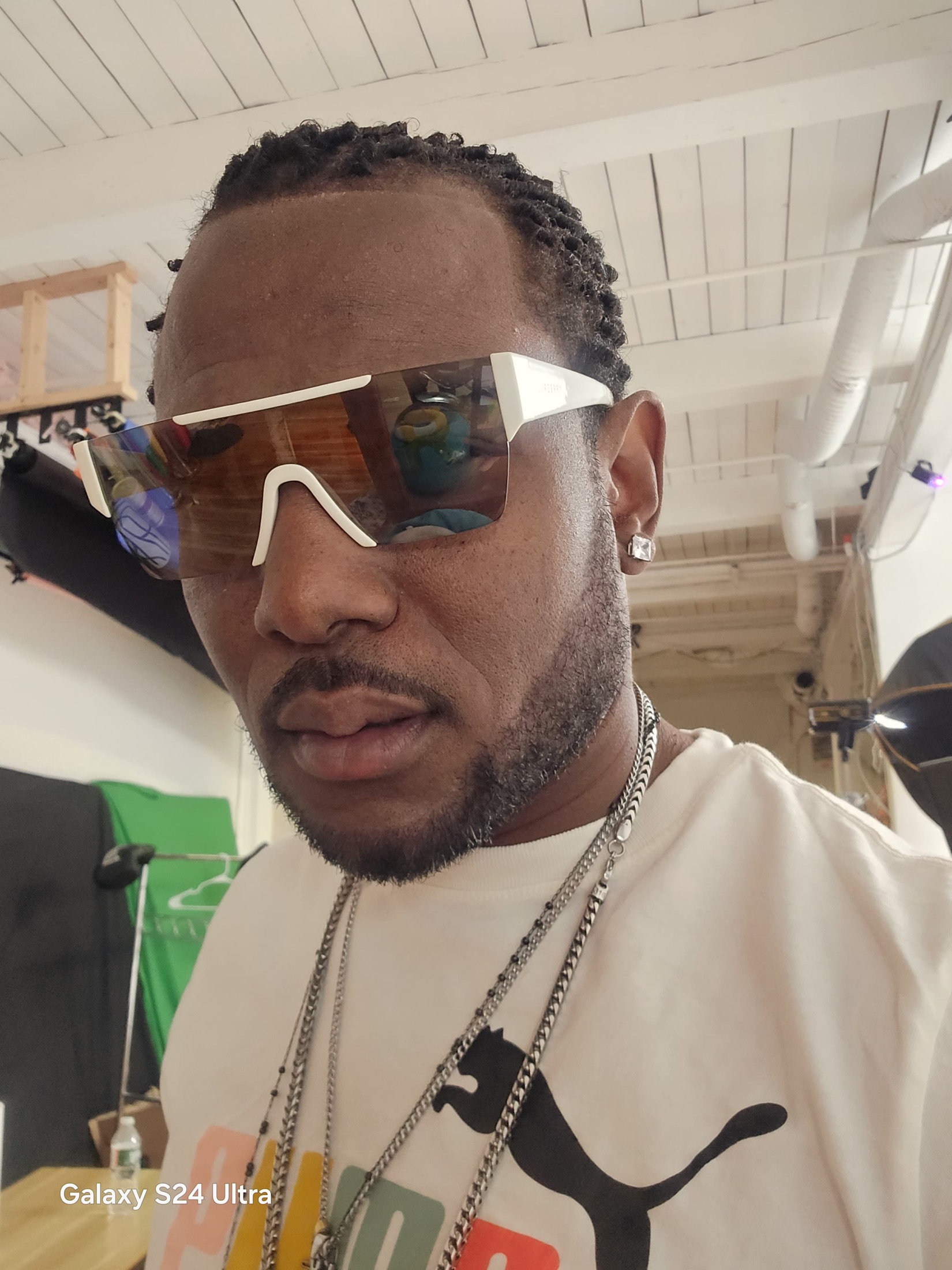
SPANISH TOWN, JAMAICA — Dorando Smith, known to the dancehall as DTigga, was born at Spanish Town Hospital in 1986 and raised by a mother who sold in the market to keep four children fed and schooled. No television in the house. Church every Sunday. His father was a champion domino player of regional renown.
Before music found him, he worked the night shift as security at the Bob Marley Museum on Hope Road, patrolling the yard where the greatest catalog in reggae history was born. Witnesses at the museum corroborate his employment; the incident involving the porridge remains his story to tell, and this paper will not spoil it.
The gift surfaced in Grand Cayman in the late 2000s: a dare after a domino game, a first take in a local studio, and a producer who reportedly stopped what he was doing on the spot. Under mentor Roundhead aka "Bossean," from the family of Ms. Elaine's Restaurant | George Town, he learned keys, learned to ride a riddim, and learned — in his words — to listen for the bass and ignore the treble.
His first booking was the opening slot for Alkaline. Engagements followed with Popcaan, Beres Hammond, Lady Saw, and a bill closed alongside Busy Signal in Jamaica. In 2014, this paper can confirm, he and bandmate Jarifa flew to Ireland and opened for Outkast and The Wailers at Electric Picnic — booked for one show, retained for three.
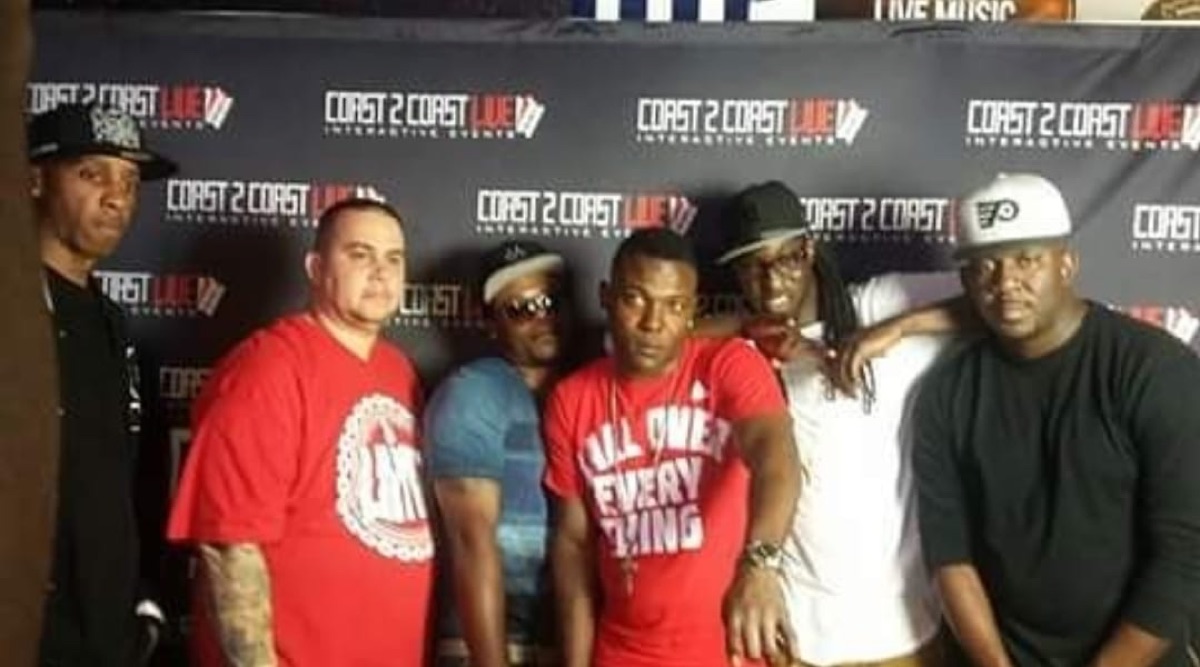
In 2016 he entered the Coast 2 Coast LIVE competition in Orlando against a field of fifty and won it outright, collecting FM radio spins and an industry convention invitation in Miami.
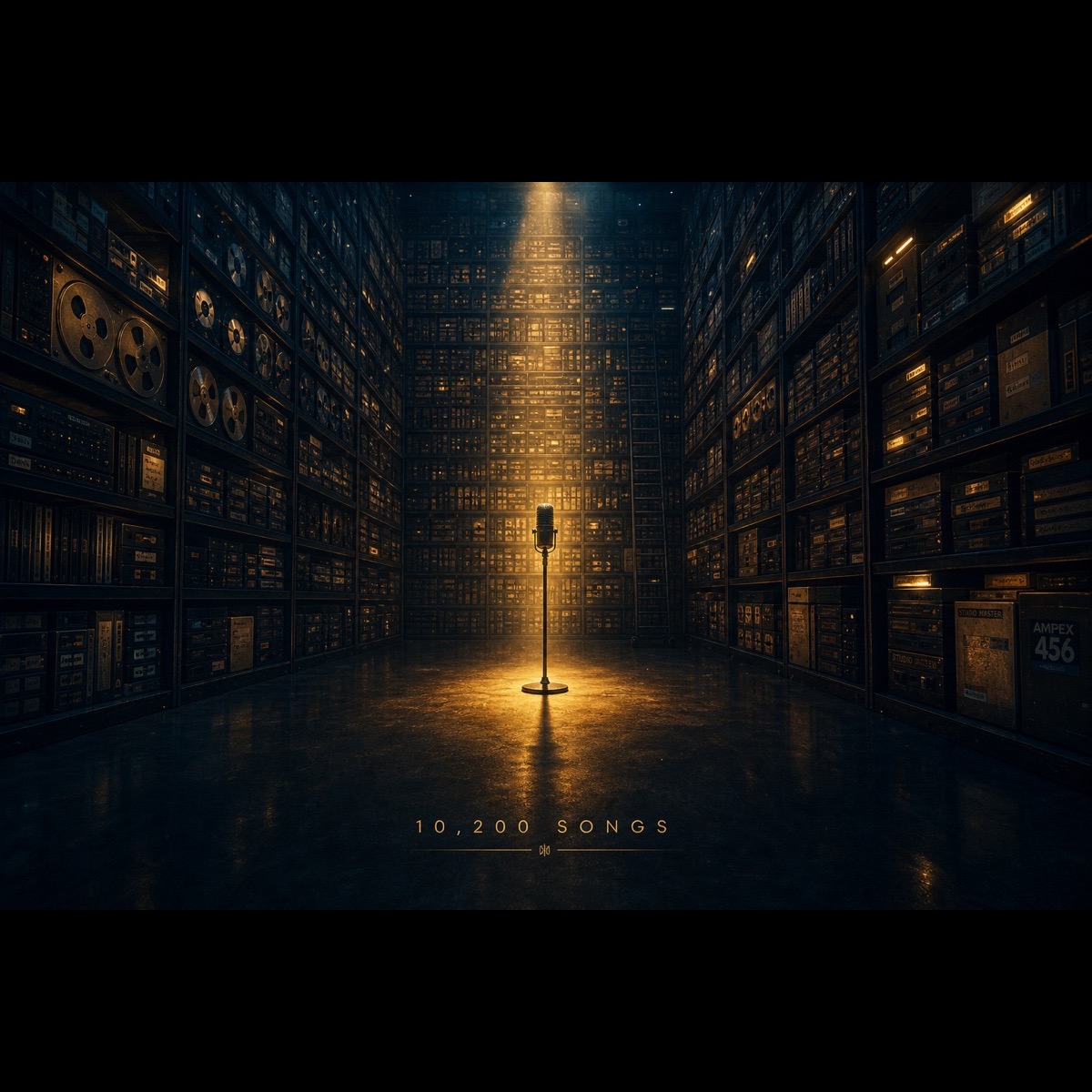
Then came the offer: a sum for his catalog that would change any life, on terms this paper's legal desk describes as "unprintable." He declined. Multiple times. He moved north, took work in aviation, and kept recording — two to three songs a day, each written in about an hour — until the vault crossed ten thousand two hundred songs.
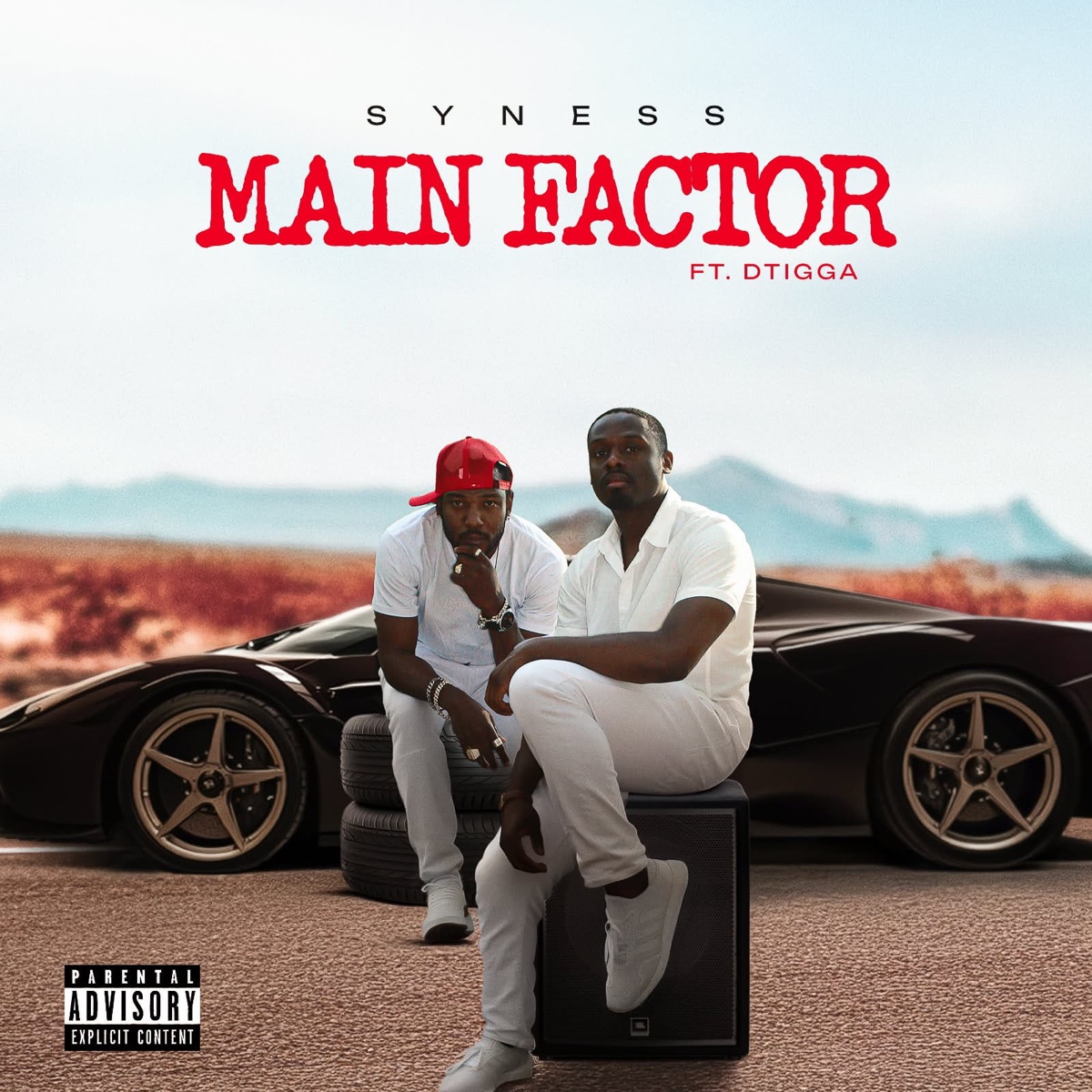
Five finished albums now sit ready, led by the forthcoming "Schmick." Two singles — "Main Factor" and "Sex Subject" — have surfaced this year. Asked for comment on his intentions, the artist was unambiguous: reach the people first, the money second, and with the money, do good — the needy, the youth, and a chapel. This paper will be watching. So should you.